Benefits of Immersive Personal Retreats: A 2026 Guide
Last Updated: October 23, 2026
Quick Summary
Immersive personal retreats create structured time away from daily pressure where deeper awareness and genuine change become possible. By combining meditation, emotional processing and supported reflection over several days, you can observe your patterns clearly, understand what triggers them, and begin responding differently, leading to better sleep, clearer thinking, improved relationships and stronger self-trust.
- Five to seven days offers the right balance between meaningful depth and practical feasibility for most people.
- Facilitated retreats with skilled guidance deliver more lasting change than unguided time away.
- Real benefits show up after you return to normal life through consistent practice and concrete changes in how you live.
- Integration support after the retreat is essential; old patterns naturally want to reassert themselves under pressure.
- Lasting change requires honest engagement during the retreat and ongoing work, not a quick fix or permanent reset.
Table of Contents
- Why Immersive Personal Retreats Matter
- How Long Should a Personal Retreat Last
- What to Do During a Personal Retreat
- How to Choose a Personal Growth Retreat
- The Real Benefits: What Changes and Why
- Integrating Retreat Insights Into Daily Life
- Frequently Asked Questions
Why Immersive Personal Retreats Matter
You're in a meeting. Your boss asks a straightforward question. Your mind goes blank for a moment, not because you don't know the answer, but because something inside you tightens.
This pattern, the gap between how you function on the surface and what's happening underneath, is exactly why immersive personal retreats have become meaningful for capable adults navigating demanding lives. An immersive personal retreat isn't a holiday or a spa escape.
At Intrinsic Living, we work with people who describe this exact tension: they manage well externally, yet stress-driven patterns keep returning. They understand the logic of what they should do, but something beneath the surface keeps pulling them back. That's where immersive retreats make a real difference.
The benefits of immersive personal retreats extend beyond temporary relief. When you step away from the constant demands of work, relationships and daily decisions, you create room for the kind of awareness that rarely emerges in ordinary life.
How Long Should a Personal Retreat Last
The ideal length for a personal retreat depends on what you're trying to achieve, but most people find that five to seven days offers the right balance between meaningful depth and practical feasibility. A week gives you enough time to move past the initial restlessness of being away, to work through significant material, and to begin integrating what you've learned before returning to normal life.
Shorter retreats, two or three days, can provide genuine value, especially if you've done this work before. They're easier to fit into a busy schedule and can serve as a reset or a deepening moment. However, they rarely go deep enough to shift the underlying patterns that keep returning. You might feel calmer for a few days after, but the structural change often doesn't stick.
Longer retreats of ten days or more allow for even more substantial work. Some people find that the real breakthroughs come in the second week, once the body and mind have truly settled. The trade-off is logistics and time away from responsibilities. For most capable adults juggling work and relationships, a week represents the sweet spot: long enough to matter, short enough to be realistic.
The structure of the retreat matters as much as its length. Seven days of unguided time away might feel restorative in the moment but won't necessarily shift the patterns you came to address. A retreat with skilled facilitation, where you're guided through specific practices, emotional processing and integration work, compresses the value of that time significantly.
What to Do During a Personal Retreat
The content of your retreat time shapes whether you come back with temporary relief or lasting insight. Effective retreats combine several elements: practices that build awareness, space for emotional processing, and reflection that helps you understand what's driving your patterns.
Meditation and mindfulness practice
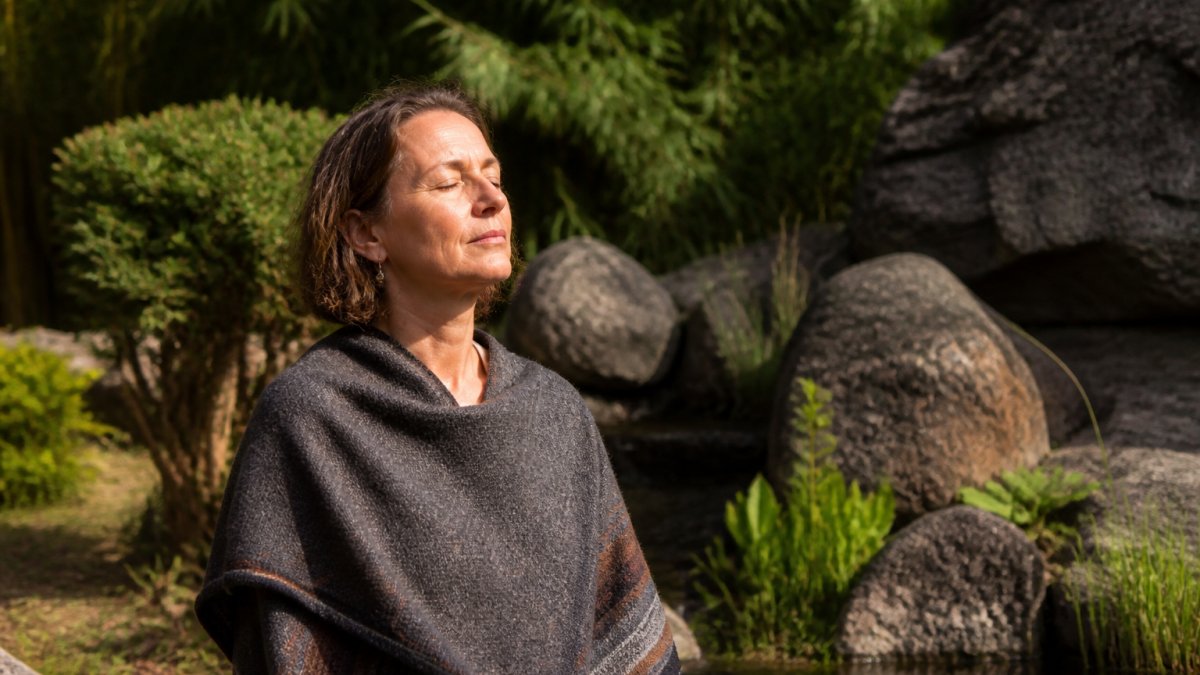
Meditation isn't about achieving a blank mind or feeling peaceful. It's a tool for noticing, observing your thoughts, reactions and habitual patterns without immediately reacting to them. When you sit consistently over several days, you start to see the patterns that usually run on autopilot. You notice how quickly your mind jumps to worry, how physical tension appears before you're consciously aware of stress, how certain thoughts trigger automatic emotional responses.
Mindfulness during a retreat goes beyond formal sitting practice. It extends into how you move, eat and interact. You begin to notice the difference between acting from genuine choice and acting from habit or pressure. This awareness is foundational to change. You can't shift a pattern you don't see clearly.
Movement and embodied awareness
Stress lives in your body, not just your mind. Chronic tension, shallow breathing and postural patterns all reflect and reinforce the internal pressure you carry. Movement practices during a retreat, whether yoga, walking, tai chi or other forms, help you reconnect with physical sensation and release held tension. More importantly, they teach your nervous system that it's safe to relax, which is often the opposite of what your body has learned under sustained pressure.
Embodied awareness means noticing what's happening in your body right now: where you're holding tension, how your breath changes with different emotions, how your posture shifts when you feel self-doubt. This direct experience often reveals things that intellectual understanding alone cannot reach.
Reflection and emotional processing
Retreat time creates space for genuine reflection, not the kind where you're running through your to-do list, but the kind where you can sit with difficult questions and let answers emerge. Why do you react this way? What are you protecting yourself from? What would it feel like to respond differently?
Emotional processing during a retreat often involves supported work with emotions that usually get pushed aside in daily life. Fear, grief, anger and shame often sit beneath the surface patterns. When you create safety to feel these emotions fully, rather than managing them, they often move and integrate rather than staying stuck.
How to Choose a Personal Growth Retreat
Not all retreats are created equal. Some focus primarily on relaxation; others offer genuine transformational work. Your choice depends on what you're actually seeking and what conditions support real change for you.
Consider the facilitation first. Who is leading the retreat, and what's their experience? Look for facilitators who understand that lasting change involves working beneath surface symptoms, people who combine practical frameworks with genuine emotional and subconscious work.
The retreat environment shapes your experience significantly. Some people thrive in group settings where community and shared experience deepen the work. Others need more solitude or one-on-one attention.
Look for retreats that emphasise integration, not just what happens during the week, but how you bring the insights back into daily life. The best retreats include preparation before you arrive and follow-up support after you leave.
Be honest about what you're hoping for. If you're seeking a quick fix or a permanent reset, you'll likely be disappointed. Genuine change takes time and ongoing work.
The Real Benefits: What Changes and Why
The benefits of immersive personal retreats show up in specific ways once you return to normal life. You may notice you're not replaying conversations obsessively.
These changes happen because a retreat creates the conditions for actual integration. You're not just learning new information; you're working with your nervous system, your emotional patterns and your subconscious beliefs.
The stress reduction can be real, but it's often not the deepest benefit. Yes, you may feel calmer during the retreat and for a period after. But the lasting value can come from building genuine self-trust.
Many people also find relationships may improve. When you're less reactive and more aware of your own patterns, you may show up differently with the people around you. You may listen better. You may be less defensive. You may hold boundaries without harshness.
The benefits of immersive personal retreats can also include better integration of work and personal life. You may come back with clearer priorities. Things that seemed urgent often reveal themselves as noise.
Integrating Retreat Insights Into Daily Life
The retreat itself is not the transformation; it's the beginning.
Integration starts before you leave the retreat.
The practices you've learned, meditation, breathwork, embodied awareness, become tools you use regularly, not just during retreat time.
Equally important is ongoing support. A retreat can shift your perspective, but you're still operating in the same environment with the same pressures.
Real integration also means making concrete changes in how you live. Maybe you establish boundaries around work emails. Maybe you commit to regular movement practice.
The challenge many people face is that old patterns want to reassert themselves. You return to work, pressure builds, and suddenly you're back in familiar stress responses.
Inner Growth Coaching and workshops can offer structured support for exactly this integration phase.
An immersive personal retreat can be a genuine turning point, but only if you approach it with realistic expectations and genuine commitment to the work.
If you're ready to explore this kind of work, Inner Growth Coaching and workshops offer guided support tailored to your situation. You can also learn more about Break the Loop Retreat, a seven-day immersive experience designed specifically to work with the patterns that keep returning.
Frequently Asked Questions
What are the main benefits of immersive personal retreats?
Immersive personal retreats create space for stress reduction, emotional clarity, and deeper self-awareness. Away from daily distractions, you can examine recurring patterns, process emotions that surface under pressure, and practise new ways of responding. The residential format means extended time for integration, not just temporary relief. Many people report improved sleep, clearer thinking, stronger self-trust, and more considered choices in relationships and work.
How long should a personal retreat last to create lasting change?
Seven days is often the minimum needed for meaningful work. Shorter retreats can offer rest and perspective, but lasting change typically requires time for initial awareness, emotional processing, and early integration. A week allows patterns to surface naturally, supported facilitation to help you understand what sits beneath them, and enough time to practise new responses before you return to your regular environment. Longer retreats deepen this work further.
How can you make the benefits of a retreat last after you return?
Integration is where real change happens. Before you leave, clarify one or two specific practices or shifts you want to bring into daily life. Build these into your routine: a morning meditation, a pause before reacting, a boundary you'll maintain. Expect stress to activate old patterns when you return; this is normal, not failure. Many people benefit from ongoing support through coaching or workshops to anchor the insights and navigate challenges as they arise.
What should you consider before booking an immersive retreat?
Clarify what you want to shift: stress responses, decision-making, relationships, self-trust, or something else. Look for retreats that address the root causes of your patterns, not just symptoms. Check whether the facilitator's approach resonates with you and whether the format (residential, online, activity-based) fits your needs and constraints. Be honest about your readiness to examine what may surface, and consider whether you need support beyond the retreat itself to sustain change.
How is an immersive personal retreat different from meditation apps or ongoing therapy?
An immersive retreat offers extended time away from daily triggers and distractions, allowing deeper emotional work and faster awareness. Unlike apps, which teach techniques in isolation, a retreat creates a contained environment where patterns surface naturally and can be addressed in real time with skilled facilitation. The residential format supports both individual processing and integration into daily life in ways that weekly sessions cannot. Many people use retreats as a catalyst and follow up with coaching to anchor the changes.
What happens during the emotional processing part of a retreat?
Emotional processing involves examining feelings and beliefs that drive your automatic reactions. This might include noticing where you hold tension, exploring what triggered a particular response, or recognising a protective pattern you've carried for years. The goal is not to dredge up trauma or relive painful events, but to develop awareness of what's happening beneath the surface so you can respond differently. Skilled facilitation and breathing practices help create safety as you explore these patterns.
Can immersive personal retreats help if I'm skeptical about personal development work?
Yes. Many people who consider themselves pragmatic find retreats valuable because the work is grounded in observable patterns and real-life outcomes, not theory. You'll notice what actually changes: how you sleep, how you respond to pressure, how you show up in relationships, how you make decisions. The focus is on results you can measure yourself, not on feeling good in the moment. Scepticism is healthy; the retreat's job is to show you something different through direct experience.